What Makes 3D Animation Websites Stand Out From Static Pages?
Static websites still dominate the internet, but the most memorable sites do something different. They move. They respond to user input. They create moments of
Static websites still dominate the internet, but the most memorable sites do something different. They move. They respond to user input. They create moments of surprise and delight. This shift from static to animated isn’t just visual preference—it’s backed by performance data that shows 3D animation websites convert better, engage longer, and leave stronger impressions.
What Is a 3D Animation Website?
Answer Capsule: A 3D animation website layers motion, depth, and interactivity into the traditional static page structure using WebGL, Babylon.js, or Three.js to render graphics directly in the browser.
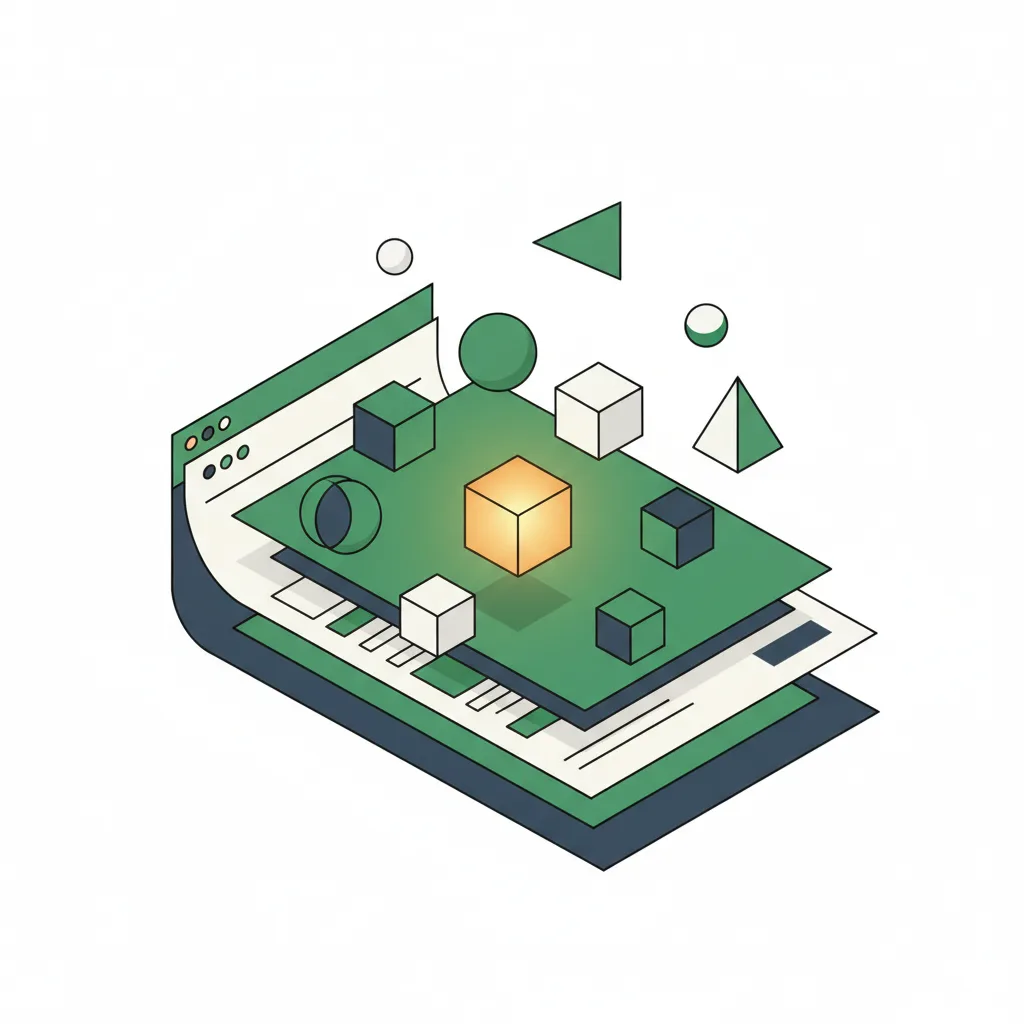
A 3D animation website layers motion, depth, and interactivity into the traditional static page structure. Instead of flat images and text, visitors encounter moving objects, responsive animations, and sometimes fully manipulable 3D models. These animations can range from subtle—rotating product shots or parallax scrolling—to complex, where users control camera angles around a 3D environment. The technology behind it typically uses WebGL, Babylon.js, or Three.js to render graphics directly in the browser without requiring plugins.
The distinction matters. A video showing a product spinning is passive. A 3D object you can rotate yourself is interactive. A website is 3D-animated when it combines both: automated motion that catches attention and interactive elements that give visitors control.
How Do Animated Websites Perform Compared to Static Pages?
Answer Capsule: 3D content produces a 94% increase in conversion rates, 82% of viewers interact with 3D assets, and interactive features boost user retention by 60%.
Research from CGI Backgrounds shows that 3D content on product pages produces a 94% increase in conversion rates. The same source reports that 82% of viewers actually interact with 3D assets when presented on a page, meaning the feature isn’t just eye candy—it’s actively used. Engagement data is striking: 34% of users interact with 3D content for 30 seconds or longer, with an average interaction time of 20 seconds.
The retention effect extends beyond the product itself. Interactive features boost user retention by 60%, meaning visitors stay longer and explore deeper. In real estate, 3D tours receive 40% more clicks from listings, and buyers spend 52% more time viewing properties with 3D tours. First impressions matter intensely online—94% of first impressions come from web design and form in just 50 milliseconds—and motion combined with responsiveness shapes that critical initial judgment.
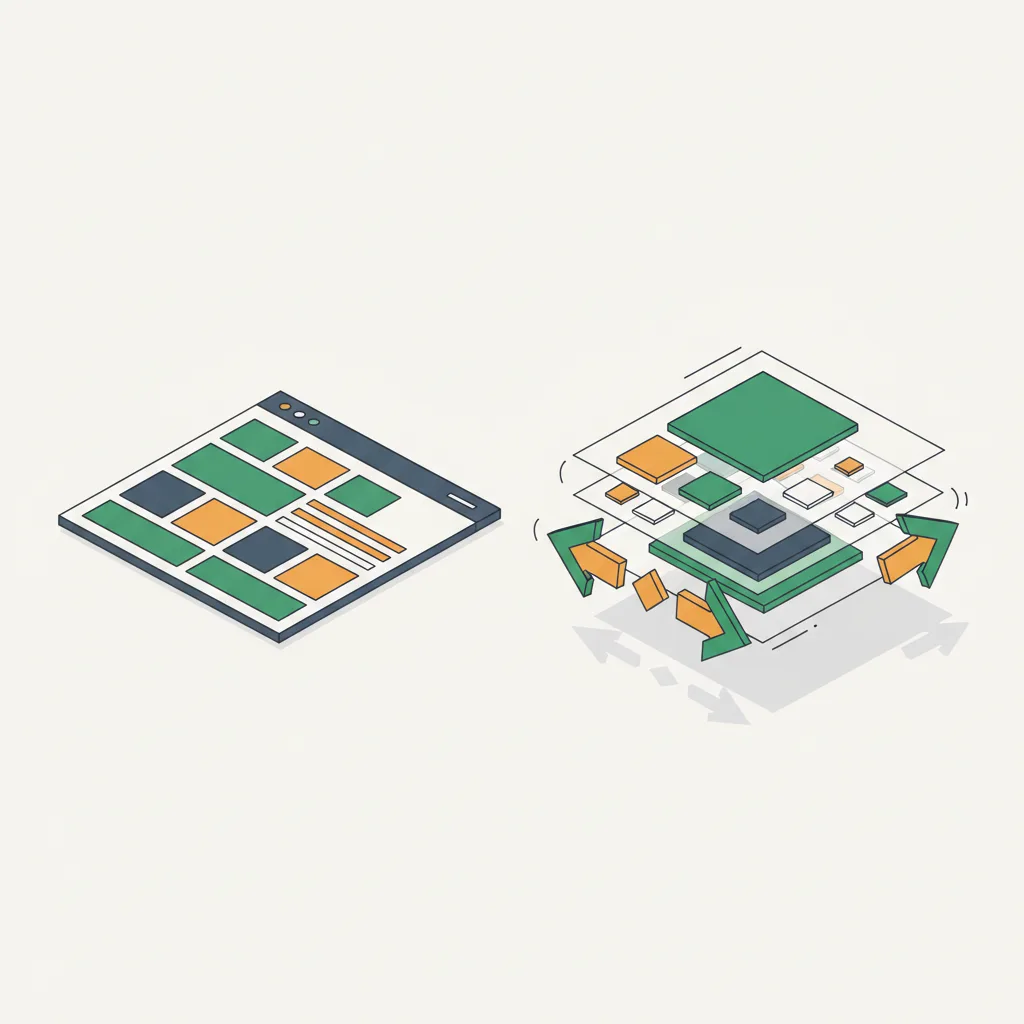
Static pages struggle to compete. They lack the depth signals that trigger attention in the brain. Animation, when used with precision, rewires that attention equation.
What Types of 3D Animation Work Best for Business Websites?
Answer Capsule: Scroll-triggered animations, parallax effects, interactive 3D models, particle effects, and hero section animations each serve different business goals—the key is purposeful implementation.
Scroll-triggered animations activate as visitors scroll down the page. A product might rotate into view, or elements might slide in from the sides. These work particularly well for storytelling—they pace the information flow and make passive scrolling feel active.
Parallax animations layer multiple elements moving at different speeds, creating depth perception. A background might move slower than foreground text, simulating depth of field. This technique captures attention without overwhelming the message.
Interactive 3D models give visitors control. They can rotate, zoom, or manipulate the object. This is especially valuable for e-commerce and product visualization, where customers benefit from seeing products from multiple angles before purchase.
Particle effects and morphing shapes add a layer of visual richness. Particles can respond to mouse movement, creating a sense of responsiveness and polish. Shape morphing—where one form smoothly transforms into another—conveys complexity in an elegant way.
Hero section animations greet visitors with motion on landing. A looping background animation or a 3D character that responds to cursor movement immediately signals that this isn’t a standard website.
The key principle: animation should reduce cognitive load or increase engagement. If it confuses or slows navigation, it fails. The best animations are purposeful—they guide attention, convey information, or invite interaction.
Does 3D Animation Slow Down Website Performance?
Answer Capsule: Poorly implemented 3D can destroy performance, but optimized WebGL implementations with lazy-loading and efficient geometry deliver 3D without the penalty.
The concern is valid. 3D rendering is computationally intensive. A website that loads in 2 seconds is acceptable; one that loads in 4 seconds due to unoptimized 3D assets will lose visitors. Sites taking longer than 2 seconds to load lose 60% of visitors. That’s a steep price.
However, performance isn’t determined by using 3D—it’s determined by how you use it. Optimized WebGL implementations, lazy-loading of assets, and efficient geometry can deliver 3D without the penalty. Modern browsers are increasingly capable of handling 3D rendering efficiently, especially on desktop. Mobile optimization requires more care, but mobile-optimized sites see 40% higher conversion rates, making the effort worthwhile.
Smart implementations use 3D selectively: animated hero sections, interactive product viewers on category pages, and scroll-triggered elements on scroll-heavy landing pages. Static pages stay fast. Critical conversion pages stay lean. The combination gives you the best of both worlds—visual differentiation without sacrificing speed.
How Can a Small Business Add 3D Animation to Its Website?
Answer Capsule: Several paths exist: template-based approaches ($5,000–$15,000), custom development ($5,000–$75,000), or hybrid agency approaches that balance aesthetics, performance, and conversion.
Template-based approaches like Webflow with 3D plugins or pre-built Spline templates offer the fastest route. A small business can add subtle 3D elements—an animated hero, a rotating product shot—without development costs. These typically run $5,000–$15,000 in setup.
Custom development gives you control over the experience. Hiring a Three.js or Babylon.js developer costs between $30–$150 per hour. A basic 3D enhancement takes 4–8 weeks and costs $5,000–$25,000. A mid-level 3D website (more complex interactions, multiple scenes) runs $25,000–$75,000 over 2–4 months.
Hybrid approaches use agencies that specialize in 3D web design. This is where precision matters. An experienced team understands how to balance aesthetics, performance, and conversion. Cause & Effect Strategic Partners’s 3D interactive design services help small businesses choose the right approach for their goals and budget.
Start by defining your goal: Is this about differentiation on the homepage? Product visualization for higher conversion? Long-term brand positioning? The goal determines the investment and the expected return.
FAQs
What’s the difference between a 3D animation website and a video background website?
A video background is passive—it plays regardless of user input. A 3D animation website is interactive—elements respond to scrolling, cursor movement, or click events. The interactivity is what drives higher engagement and conversion rates.
Can 3D animations work on mobile devices?
Yes, with optimization. Mobile devices have less processing power, so 3D elements should use lighter models, simplified lighting, and touch-optimized controls. Progressive enhancement ensures desktop gets the full experience while mobile gets a performant version.
How long does it take to build a 3D animation website?
A basic 3D enhancement takes 4–8 weeks. A mid-level site with multiple animated sections takes 2–4 months. Template-based approaches can launch in 2–4 weeks. Timeline depends on the number of custom 3D assets and interaction complexity.
Will 3D animation hurt my SEO?
Not if implemented correctly. Search engines index text content regardless of visual presentation. The key is ensuring 3D doesn’t slow page load speed (a ranking factor) and that all important content remains in crawlable HTML, not locked inside 3D canvas elements.
What’s the minimum budget for adding 3D animation to my existing website?
Template-based 3D additions start at $5,000–$15,000. Custom 3D hero sections or product viewers start at $5,000–$25,000. The investment depends on scope—a single animated section costs far less than a fully 3D website.