

How Much Does 3D Website Design Cost for a Small Business?
3D websites feel expensive because they are. But the cost isn't arbitrary. Understanding the pricing structure helps you decide whether the investment makes sen
3D websites feel expensive because they are. But the cost isn’t arbitrary. Understanding the pricing structure helps you decide whether the investment makes sense for your business and where you can optimize without sacrificing quality.
What Does a Basic 3D Website Enhancement Cost?
Answer Capsule: A basic 3D enhancement—adding interactive 3D elements to an existing website—typically costs $5,000 to $25,000 and takes 4-8 weeks to implement.
This budget covers relatively straightforward additions. Think: a spinning product model on your homepage, an interactive tool configurator, or a simple 3D visualization. These projects use existing 3D asset libraries, minimal custom development, and standard Three.js integration rather than advanced features like real-time physics simulation or complex animations.
The scope is limited to specific pages. Your home page might feature one interactive 3D element, and your product pages might have basic 3D models with standard rotation and zoom controls. The backend infrastructure and SEO optimization are simpler because you’re enhancing existing pages rather than rebuilding from the ground up.
At this price tier, you’re not getting photorealistic rendering or deeply customized features. You’re getting functional, engaging 3D content that converts better than static images and demonstrates that your company invests in modern technology. For most small businesses starting with 3D, this is the right entry point.
How Do Three.js Developer Rates Compare to Traditional Web Developers?
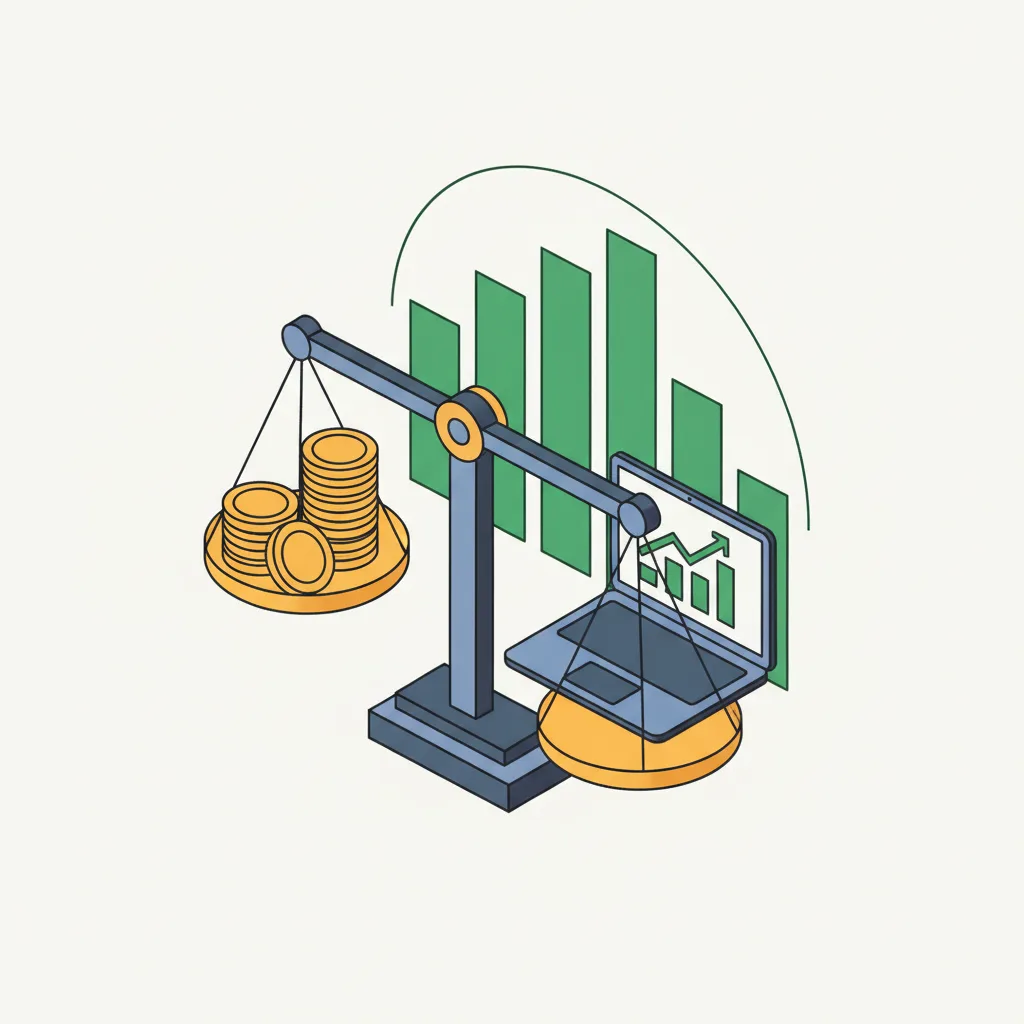
Answer Capsule: 3D specialists command higher hourly rates than traditional web developers because the skill set is more specialized—expect $30-$150 per hour for Three.js expertise.
A traditional full-stack web developer in Atlanta typically charges $50-$100 per hour. A Three.js specialist—someone who can architect WebGL rendering, optimize performance, and write maintainable 3D code—commands $75-$150 per hour because fewer developers possess this skill set and the learning curve is steeper. This isn’t premium pricing for vanity; it’s market pricing for scarcity.
The hourly rate structure matters because many 3D projects bill as fixed-price contracts that estimate hours. A $15,000 project might represent 150 hours at $100/hour, or 100 hours at $150/hour depending on the developer’s experience level. Senior developers work faster, produce cleaner code, and debug issues more efficiently, so sometimes paying a higher hourly rate reduces total project cost.
If you hire a traditional web developer to implement 3D, they’ll likely charge premium rates for learning-on-the-job and face longer timelines due to unfamiliar tooling. It’s generally more cost-effective to hire someone experienced with Three.js and WebGL than to hire an affordable traditional developer and pay for their expertise development.
What Are the Ongoing Costs of Maintaining a 3D Website?
Answer Capsule: Annual maintenance typically costs 15-20% of your initial development investment, covering system updates, performance optimization, and feature improvements.
3D websites require regular upkeep beyond simple content updates. The JavaScript libraries your site depends on (Three.js, Babylon.js) release updates every few months with performance improvements, security patches, and new features. Failing to update creates security vulnerabilities and potential performance regressions.
Browser technology evolves too. New WebGL standards, GPU capabilities, and rendering techniques emerge regularly. A 3D website built in 2021 using 2021-era optimization techniques might not perform optimally on 2026 devices. Progressive enhancement means your site should degrade gracefully on older browsers, and this requires monitoring and updates.
Performance optimization is ongoing. As you add more 3D content or your user base grows, you might need to implement advanced techniques like instancing, level-of-detail systems, or new compression algorithms. Real-world usage reveals performance bottlenecks that testing missed, requiring optimization sprints.
For a $25,000 initial investment, expect $3,750-$5,000 per year in maintenance. For a $75,000 project, expect $11,250-$15,000 annually. This is in line with traditional web development maintenance costs, despite 3D’s reputation for complexity.
How Can Small Businesses Reduce 3D Website Design Costs?
Answer Capsule: Strategic scope reduction, template-based approaches, and phased implementation can cut costs by 40-60% while maintaining core functionality.
Start with high-impact pages. Instead of rebuilding your entire website in 3D, identify your 2-3 highest-traffic, highest-converting pages and prioritize 3D implementation there. Your product page might justify 3D visualization, but your blog page doesn’t. This approach concentrates investment where it generates ROI.
Use 3D libraries and templates rather than custom assets. Open-source 3D model libraries provide usable models that designers can customize for a fraction of the cost of commissioning original 3D assets. A custom 3D model might cost $2,000-$5,000; a customized library model might cost $300-$800.
Implement in phases. Build version one with basic interactive 3D (product rotation, zoom). Launch, measure conversion impact, collect performance data. Then use those results to justify phase two investment in advanced features. This approach reduces upfront risk and lets you prove ROI before deeper investment.
Consider no-code 3D tools like Sketchfab embeds or Shopify’s native 3D product features. These remove development costs entirely but offer less customization. They work well for businesses where off-the-shelf solutions meet your needs.
Ask about progressive enhancement and fallbacks. A developer who insists on custom everything will cost more than one who intelligently uses libraries, templates, and existing tools where they make sense.
What Factors Drive Up the Price of a 3D Website?
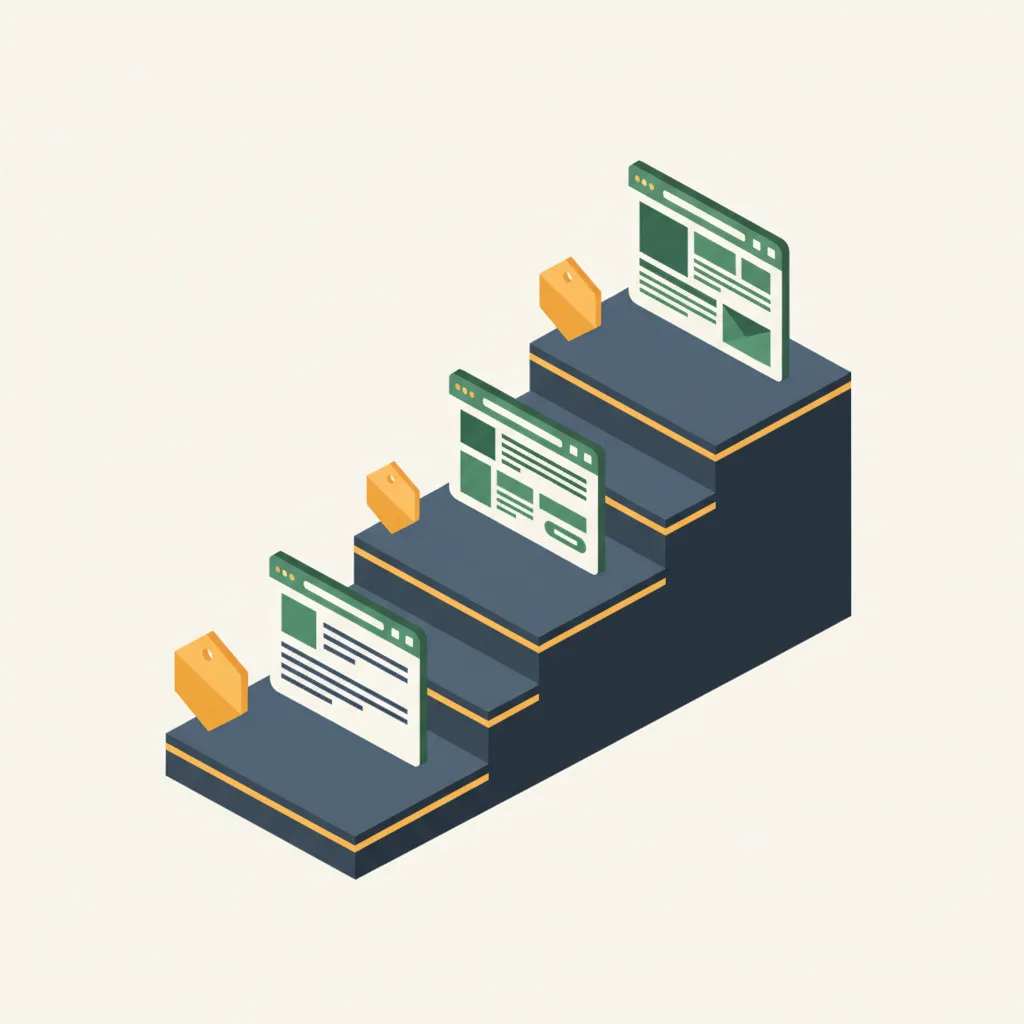
Answer Capsule: Custom 3D asset creation, advanced rendering features, and real-time data integration significantly increase costs beyond base development.
Custom 3D modeling is expensive. If your product requires a photorealistic 3D model and you don’t have existing CAD files to convert, you’re commissioning 3D artists to build and texture models from scratch. This runs $3,000-$10,000 per model. If you need 20 product variations, costs multiply.
Advanced rendering pushes price up too. Basic 3D uses standard materials and lighting. Photorealistic rendering with physically-based materials, global illumination, and complex physics simulations requires senior-level expertise and specialized libraries. These features might add $15,000-$40,000 to a project.
Real-time data integration adds complexity. A 3D product configurator that updates pricing, inventory, and product specifications in real-time based on user selections requires backend API development, state management, and thorough testing. This integration work often costs $10,000-$30,000 beyond the 3D interface itself.
Large-scale 3D environments—360-degree office tours, property walkthroughs, game-like navigation—require architectural planning, asset optimization across dozens of models, and extensive testing. These projects often exceed $100,000.
Custom WebGL shaders (the underlying graphics code controlling how 3D renders) written specifically for your use case adds $5,000-$20,000 because shader development requires specialist knowledge.
Industry context matters. Real estate agencies with 20+ properties might justify $50,000 for a turnkey 3D tour platform. A local restaurant probably doesn’t. Understanding what drives your specific costs helps you decide what features provide genuine business value versus what’s nice-to-have complexity.
What’s the True Cost When You Factor in ROI?
Answer Capsule: For businesses where 3D delivers measurable benefits, the ROI calculation changes the entire cost conversation.
E-commerce sites with 3D product pages see 94% conversion rate increases. If your current e-commerce site converts at 2% with 1,000 monthly visitors, you’re generating 20 sales monthly. At 3.88% conversion (a 94% increase), you’re generating 38.8 sales—nearly 19 additional sales monthly. If your average order value is $100, that’s $1,900 additional monthly revenue, or $22,800 annually. A $15,000 3D implementation pays for itself in 8 months.
Properties with 3D virtual tours sell 31% faster. For a real estate business, faster sales directly translate to higher revenue volume. More sales per agent per year means higher commissions and profitability.
3D content reduces product returns by 40%. Returns are expensive—shipping, restocking, customer service. If 3D reduces returns by 40%, that’s direct cost savings plus improved customer satisfaction.
The real cost of 3D isn’t the development price. It’s the development price minus the incremental revenue gained. For the right business, that net cost is zero or negative. For the wrong business, a $5,000 3D feature on a website with no conversion focus is wasted money.
Before budgeting 3D, ask: What’s my current conversion rate? How much would a 20-30% increase in conversions mean to my business annually? Can 3D realistically drive that increase in my industry? If the math works, 3D is an investment, not an expense.
Want an honest cost estimate?
Cause & Effect Strategic Partners’s 3D interactive design services help small businesses invest smartly in 3D experiences. We do the math first, then the build.
Get a Free Cost Estimate →
Frequently Asked Questions About 3D Website Design Costs
What’s the cheapest way to add 3D to my website?
No-code tools like Sketchfab embeds or Shopify’s native 3D product features can cost as little as $500-$2,000 for basic implementation. These remove development costs but offer less customization than custom Three.js development.
How much does a single 3D product model cost?
A professional 3D product model costs $1,000-$5,000 depending on complexity. A simple shoe might cost $1,500. A complex furniture piece with moving parts might cost $4,000. Customizing existing library models runs $300-$800.
Should I hire a freelancer or an agency for 3D development?
Freelancers cost less per hour but may lack the full-stack expertise an agency provides. Agencies offer project management, quality assurance, and ongoing support. For projects over $15,000, an agency typically provides better value through reduced risk and faster delivery.
What’s the ROI payback period for 3D website investment?
For e-commerce businesses, the typical payback period is 2-8 months depending on traffic volume and average order value. For real estate, payback often occurs on the first deal. For service businesses, payback is less direct and takes 6-12 months through improved brand perception.
Are there hidden costs I should budget for?
Yes. Annual maintenance runs 15-20% of initial investment. Hosting costs increase 20-40% for 3D sites. Each new 3D product model requires separate asset creation. Browser compatibility testing and performance optimization are ongoing expenses.