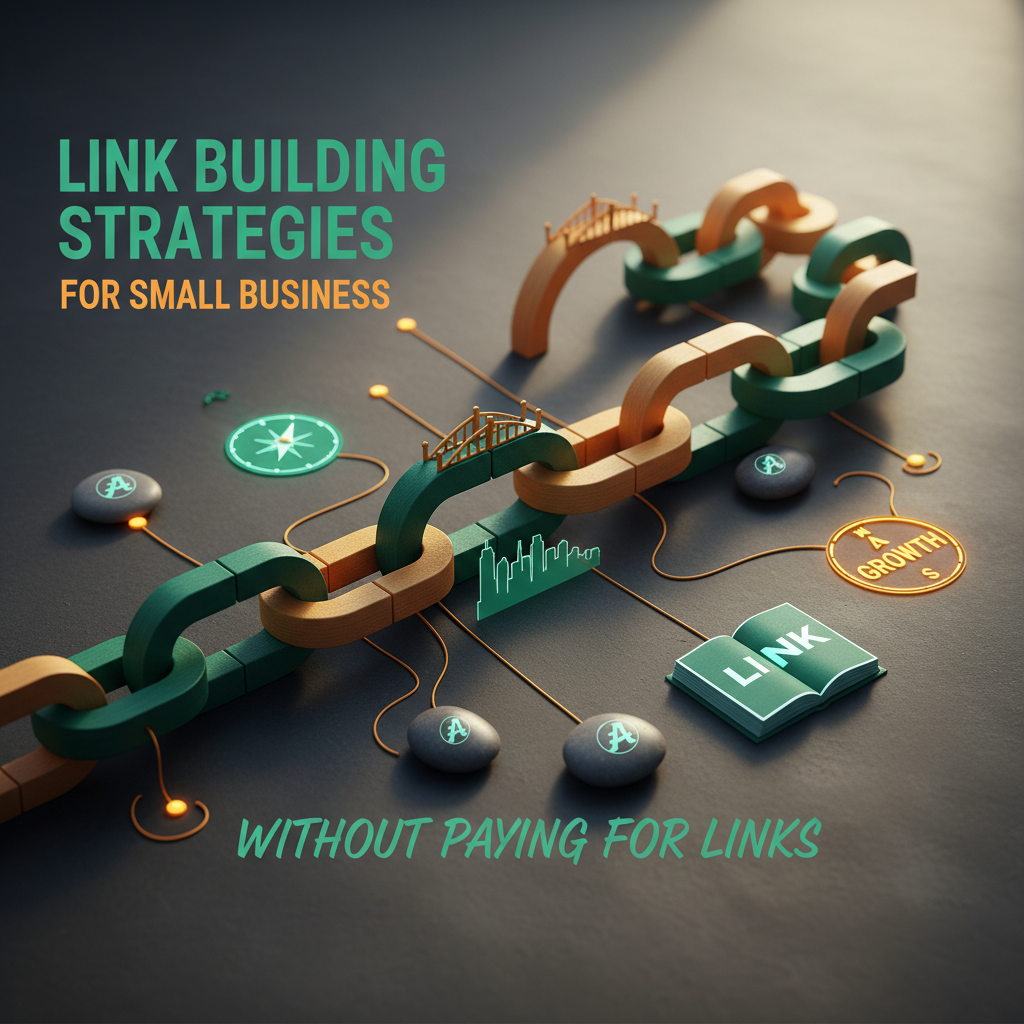
Link Building Strategies for Small Business (Without Paying for Links)
Most small business owners skip link building because they think it requires hiring expensive agencies or buying backlinks. The truth is simpler: strategic, fre
Most small business owners skip link building because they think it requires hiring expensive agencies or buying backlinks. The truth is simpler: strategic, free link building starts with understanding what makes other websites want to link to you in the first place.
Why Does Link Building Matter for Small Business Growth?
Answer Capsule: Backlinks act as votes of confidence that tell search engines your business is trustworthy and relevant to what customers are looking for online.
Link building works because Google treats backlinks as third-party endorsements. A study from Search Engine Journal found that domains with higher quality backlink profiles consistently rank higher for competitive keywords. For small businesses in Atlanta competing for local search visibility, this matters significantly. One quality link from an industry-relevant website can drive more value than dozens of low-quality links. The challenge isn’t building links—it’s building them strategically without breaking your budget.
What Types of Links Actually Help Small Businesses?

Answer Capsule: High-quality links come from websites related to your industry, have good domain authority, and refer traffic that matches your ideal customer profile.
Not all backlinks are created equal. BrightEdge research shows that contextual links (placed within relevant content) perform better than those in sidebars or footers. For small businesses, local links carry extra weight—a link from an Atlanta chamber of commerce website or a respected local publication outweighs a random link from an unrelated national site. The best links also send referral traffic, meaning actual people click through to your website, not just search engine crawlers.
How Can You Build Links Without Paying Link Brokers?
Answer Capsule: Create useful content that answers customer questions, then reach out to websites already discussing related topics and let them know your resource exists.
The most sustainable approach is the “resource-based” method. Identify the top 20 websites your potential customers already visit—industry blogs, local directories, professional associations, and news outlets. Create something genuinely useful: a guide, calculator, or data visualization that solves a specific problem. Then, contact the site owners or editors with a simple message: “We created this resource that your readers might find valuable.” Ahrefs data shows this approach has a 15-30% response rate when done genuinely. The key is making it easy for someone to say yes by providing clear value they can’t get elsewhere.
What’s the Role of Guest Posting in Building Links?
Answer Capsule: Writing articles for established industry websites puts your expertise in front of new audiences while earning a contextual backlink that signals authority to search engines.
Guest posting remains one of the most effective link-building tactics when done right. The strategy works best when you pitch to publications your actual customers read, not random blogs with low traffic. For example, a digital marketing agency in Atlanta might guest post on local business publications, entrepreneur networks, or industry-specific magazines. Moz reports that guest posts earn an average of 3-5 quality backlinks per article when they genuinely help readers. The article itself becomes a long-form content asset that ranks in search results, multiplying the link value over time.
How Do Local Link Building Opportunities Differ?
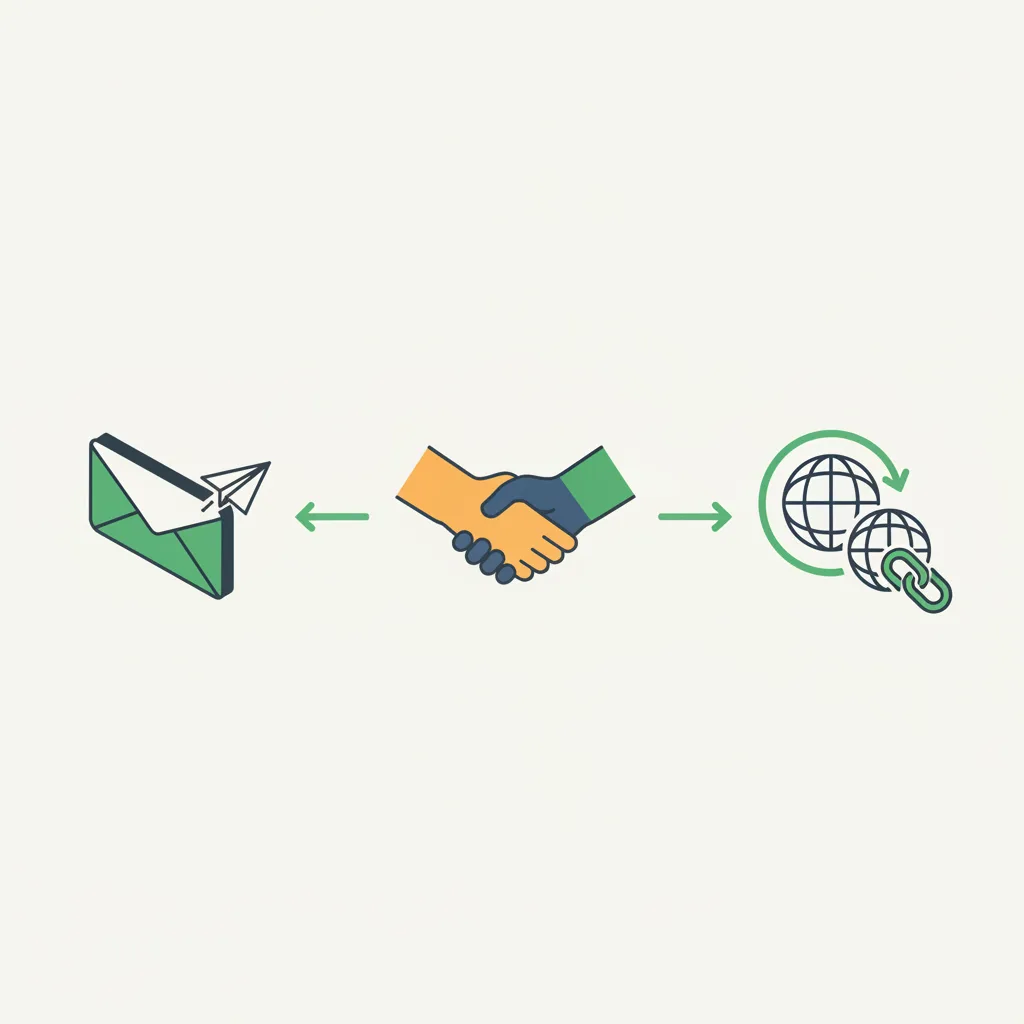
Answer Capsule: Local links come from Atlanta-based organizations, directories, and media outlets that signal to search engines that your business serves your geographic area.
Small businesses have a significant advantage in local search because location-based links carry extra weight. Building relationships with Atlanta chamber groups, local event organizers, trade associations, and neighborhood publications creates a strong local link profile. BrightLocal’s research shows that local links increase visibility in map pack results by 40-60% on average. Sponsoring a local nonprofit, participating in community events, or joining industry associations naturally generates links from sites that matter most—the ones reaching people in your city.
What Role Does Digital PR Play in Earning Links?
Answer Capsule: Being mentioned in news coverage and industry publications builds credibility while earning high-authority backlinks that significantly boost search ranking power.
Digital PR focuses on getting your business or research mentioned in publications journalists actually write for. This differs from press release distribution because it involves genuine relationship-building and storytelling. A small business in Atlanta might pitch a local news angle about hiring trends, customer insights, or community impact. Semrush found that PR-earned links have 2-3 times higher impact on search rankings than other link types because they come from established, authoritative publications. The additional benefit is traffic—news coverage drives immediate visitor surges and brand awareness beyond just the search ranking boost.
FAQ
Can small businesses compete for links against larger companies?
Yes, by focusing on underserved topics and local angles larger competitors ignore. Smaller businesses often find success building links around specific niches, case studies, or local community angles that bigger agencies won’t pursue.
How long does it take to see results from link building?
Most quality links take 4-12 weeks to show ranking impact after they’re published. Search engines need time to discover links, crawl them, and factor them into rankings. Patience and consistency matter more than speed.
Should I worry about link relevance or domain authority more?
Both matter, but relevance wins if you have to choose. A link from a relevant industry website with moderate authority beats a high-authority link from an unrelated site. Google’s algorithms favor contextual fit.
Is it acceptable to ask competitors’ backlinks why they linked?
Yes, analyzing where competitors get links is a standard research practice. Tools like Ahrefs and SEMrush help identify these opportunities. Reach out directly rather than copying their tactics exactly.
What’s the difference between link building and link earning?
Link building involves active outreach and relationship development. Link earning happens when your content is so valuable people naturally want to share and reference it. The best strategy combines both approaches.
The reality of link building for small business is this: it requires strategy, not budget. Every successful link starts with something worth linking to. Whether that’s remarkable content, a useful tool, genuine community involvement, or media-worthy insights depends on your business model. Start by identifying the 20 websites your ideal customers trust most, then work backward to understand what kind of resources would earn a mention there. Comprehensive SEO services can accelerate this process by combining link building with broader visibility strategies, but the foundational work—creating value worth sharing—remains yours to own.