

Mobile SEO: Why It Matters for Atlanta Small Business
Mobile phones have become the primary way most people search the internet. If your Atlanta business isn't optimized for mobile, you're missing customers who are
Mobile phones have become the primary way most people search the internet. If your Atlanta business isn’t optimized for mobile, you’re missing customers who are actively looking for what you offer. Mobile SEO isn’t just a feature anymore—it’s the foundation of how search engines rank websites.
What is Mobile SEO and Why Does Google Care?
Answer Capsule: Mobile SEO means making sure your website works perfectly on phones and tablets, and that search engines can find and rank your content on mobile devices.
Google has been using mobile-first indexing since 2021, which means it primarily looks at how your website performs on phones when deciding your search rankings. Google cares because over 63% of all Google search traffic comes from mobile devices. If Google didn’t prioritize mobile, it would be ranking websites based on an experience most of its users aren’t even having. Your small business needs to be visible on the device your customers actually use.
The connection between mobile performance and ranking is direct. A website that’s slow on mobile or hard to navigate on a phone won’t rank as well, even if the desktop version is perfect. For Atlanta small businesses competing locally, this gap can mean losing business to competitors who’ve already made the switch.
How Does Page Speed on Mobile Affect Your Rankings?
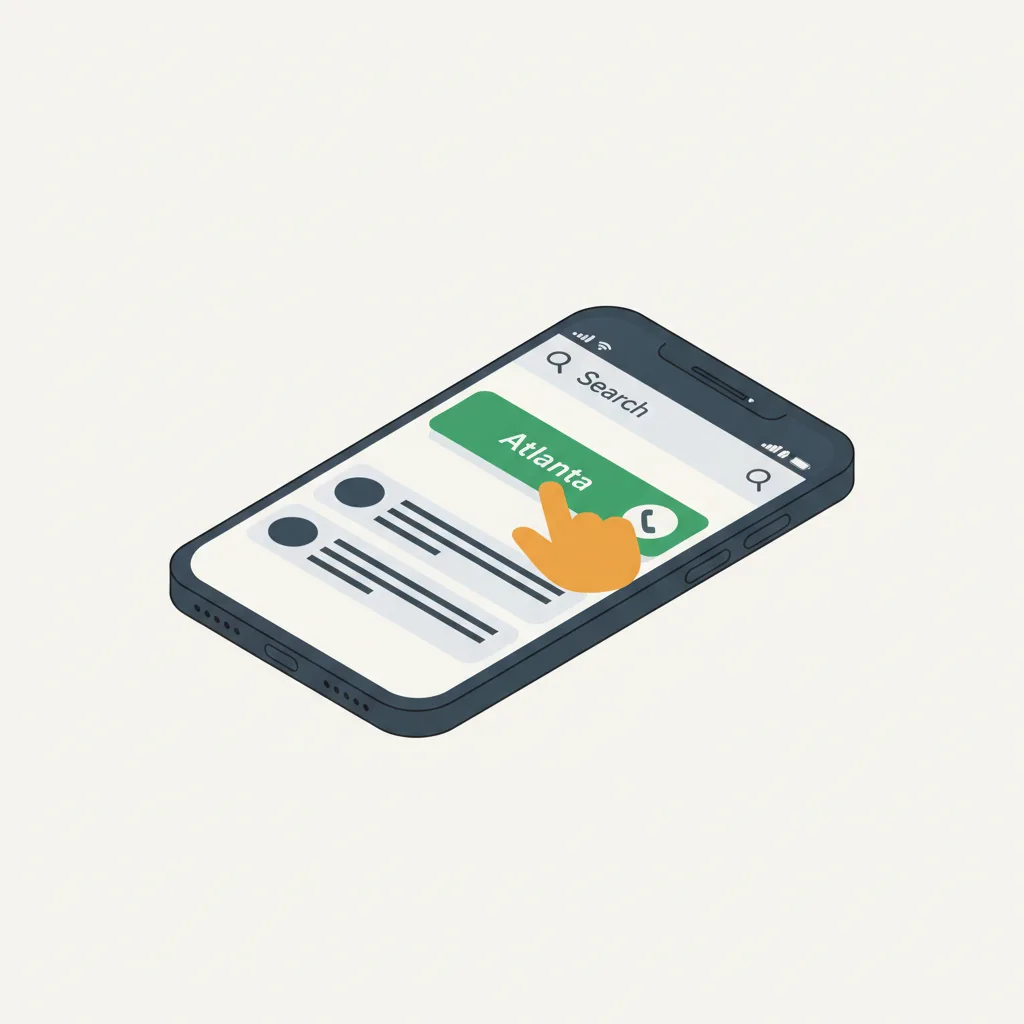
Answer Capsule: Mobile page speed directly impacts whether your site ranks well and whether visitors actually stay on your pages. Pages loading under 3 seconds perform significantly better.
When a mobile page takes 5+ seconds to load, 53% of mobile users will leave the site. That’s more than half your potential customers walking away before they even see what you offer. For an Atlanta small business, every lost visitor could be a lost sale.
Speed matters because of how people use phones. They’re often on slower connections than desktop users, and they have less patience. A furniture store in Buckhead or a plumber in Decatur can’t afford slow pages. Tools like Google PageSpeed Insights show exactly where your mobile site is losing speed, and fixes often focus on image optimization, reducing unnecessary code, and using modern hosting.
Why Does Mobile User Experience Matter More Than Perfect Code?
Answer Capsule: User experience on mobile includes readable text, tappable buttons, and easy forms. Over 88% of mobile users won’t return after a bad experience.
Google measures mobile experience through Core Web Vitals, which track how fast pages load, how responsive they are to interaction, and how stable the layout is as content loads. A button that moves slightly as the page loads might seem small, but it frustrates users and can hurt your rankings. For local Atlanta businesses relying on phone calls and form submissions, these details matter.
Designing for mobile isn’t about shrinking your desktop site. It’s about thinking mobile-first from the start, which means building the core experience for phones and then enhancing it for larger screens. Many Atlanta small businesses benefit from working with a professional to audit their mobile experience, which is why responsive website design services focus heavily on mobile-first approaches.
How Do Local Search Results Change on Mobile?
Answer Capsule: Mobile local search prioritizes location more heavily. About 76% of mobile searches have local intent, meaning searchers want a business to visit or call soon.
Mobile local results show the Google Business Profile first, then a map, then a list of local businesses. If your business isn’t showing up on this local pack, you’re invisible to people searching on phones. This is where mobile SEO connects directly to your Google Business Profile—your hours, phone number, reviews, and photos all appear here, and they’re optimized for the mobile experience by default.
For Atlanta small businesses, managing your Google Business Profile correctly is as important as having a website. Mobile users expect to find your hours, call you directly from the search result, and see reviews immediately. Getting this right means more foot traffic and phone calls from people who were already ready to buy.
What Mobile SEO Issues Are Costing You Ranking?
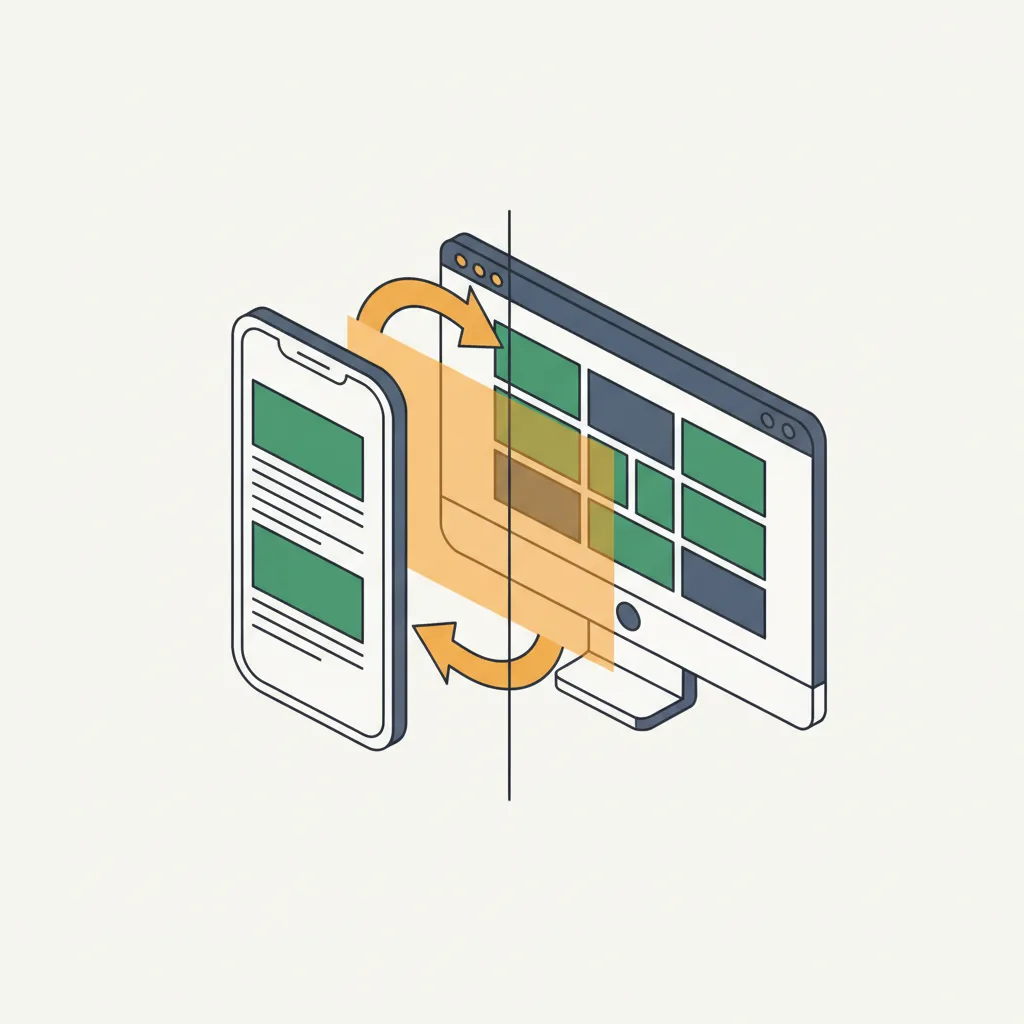
Answer Capsule: Common issues include non-responsive design, poor navigation, unplayable content, and intrusive pop-ups that block content and trigger Google penalties.
Non-responsive design means your site doesn’t automatically adjust to fit different phone screen sizes. Mobile devices account for roughly 67% of traffic for most small business websites, so a site that doesn’t work on phones is hurting most of your actual traffic. Interstitials—those pop-ups that appear before users see your content—are another issue. Google allows some, but intrusive pop-ups that block content can reduce your mobile ranking.
The easiest way to check your site is through Google Search Console’s mobile usability report, which shows exactly which pages have mobile issues. Fixing these isn’t always complicated, but it requires someone who understands both mobile design and SEO working together.
How Can Atlanta Small Businesses Start With Mobile SEO?
Answer Capsule: Test your site on your phone, use Google PageSpeed Insights, check your Google Business Profile accuracy, and assess your mobile navigation and readability.
Start by testing your mobile site like a customer would. Open your website on your phone, try to navigate it, and time how fast pages load. If you struggle, visitors do too. Use Google PageSpeed Insights and Mobile-Friendly Test to see what Google sees.
Next, check your Google Business Profile for accuracy. Make sure your phone number, address, hours, and photos are correct. This is free and takes less than an hour but can drive real business. Then look at your website structure on mobile. Is your menu easy to use? Can people read your content without zooming? Do calls-to-action stand out? If your website isn’t mobile-responsive or is more than 3-4 years old, it likely needs updating.
Frequently Asked Questions
Does mobile optimization really affect my Google rankings?
Yes. Google uses mobile-first indexing, which means it primarily looks at how your site performs on phones when deciding rankings. If your mobile experience is poor, your desktop rankings suffer too, regardless of how good your desktop version looks.
How fast should my mobile pages load?
Aim for under 3 seconds. Pages that load in 1-3 seconds have significantly lower bounce rates. Every additional second of load time loses more visitors, so speed is crucial for keeping customers on your site.
What if my website isn’t mobile-responsive?
Your website should adapt automatically to any screen size. If it doesn’t, users have to zoom and scroll horizontally, which frustrates them and damages your rankings. This is a priority fix for any Atlanta business with an older website.
Can I do mobile SEO myself or do I need help?
You can start with testing using free tools like Google PageSpeed Insights and ensuring your Google Business Profile is complete. But comprehensive mobile SEO that includes design, performance, and technical optimization usually requires professional help.
How long before I see results from mobile SEO improvements?
Ranking changes typically take 4-8 weeks to show in Google Search Console, though your mobile users will feel improvements immediately. Speed and usability changes often improve customer engagement right away.
Mobile SEO isn’t a separate project for Atlanta small businesses—it’s the baseline expectation. Your customers are searching on phones. They’re making quick decisions about whether to call, visit, or click away. Every second your site takes to load, every button that’s hard to tap, and every hour your Google Business Profile sits incomplete is a customer you’ve lost to a competitor who didn’t make these mistakes. The work you do now on mobile optimization compounds over months into better rankings, more traffic, and more business.